Thanks to Linda Sandifer for providing this Guest Post.
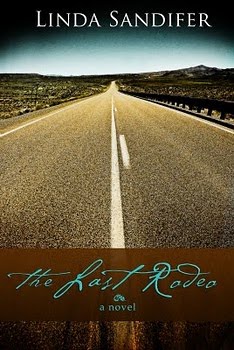 Linda Sandifer is author of thirteen novels in various genres, mostly western romance. She is a member of Western Writers of America, Women Writing the West, and Idaho's Blue Sage Writers. Her latest release, The Last Rodeo (contemporary fiction) is available at Amazon and Barnes and Noble online. It is also available in the Kindle Store. Learn more about Linda's books at her Web site.
Build Your Platform Today
© 2010 Linda Sandifer
 We writers continually face the challenge to keep our writing fresh for today's readers and also to be knowledgeable about new technology and marketing trends. We are expected to be able to describe our book and its concept in one line and to state our platform right up front. The platform has, in fact, become increasingly important to agents and editors before they will consider a contract. They want a ready-made audience and a way to create a buzz for your book. In this tough market, it isn't sufficient anymore to assume the publisher will handle the marketing so you can sit back and write your next book. They want you involved.
So what is a platform for a writer? According to Merriam Webster, a platform is simply "a plan, a design." It is: (1) "a declaration of the principles on which a group of persons stands," (2) a "device or structure incorporating or providing a platform," and (3) a "place or opportunity for public discussion."
We spend months, sometimes years, plotting our books. When the book is finished, it's time to take a good hard look at ourselves. What have you got going for you--other than having written a marvelous book--with which to get readers' attention? If you look through Writer's Digest Magazine, you'll see some of the "Breaking In" writers state their platforms as social networking; i.e., a blog and an audience on Twitter and Facebook. This might also include doing guest blogs and having a website. Some writers write articles for magazines, ensuring a byline. Other writers speak at conferences and talk to writers' and readers' groups, or they teach writing classes. It's always smart to join a writer's organization that reflects your genre. This will open more doors with which to reach readers. If you have special expertise pertaining to your book it will give you more credibility. For example, you're a doctor and you've written a medical thriller.
What if you feel you don't have any particular expertise with which to build your platform? No title behind your name. No Masters or PhD. Does it doom you and your book? No, just dig deeper. Be creative. Perhaps you did an incredible amount of research for your book. Perhaps you spent a year talking to locals and exploring the Australian outback where your book is set. Is there a way you can "brand" yourself? To identify yourself in some unique way?
A platform boils down to any means you have to get your name and your book out there. Start building your platform early on, even before your book is finished. A solid platform will help you get published and maybe even become a "name brand" writer. But, first and foremost, write the best darned book you can! Everything else aside, your book will stand on its own legs. It will be the foundation for your platform.


Great, and interesting, post.
Sue